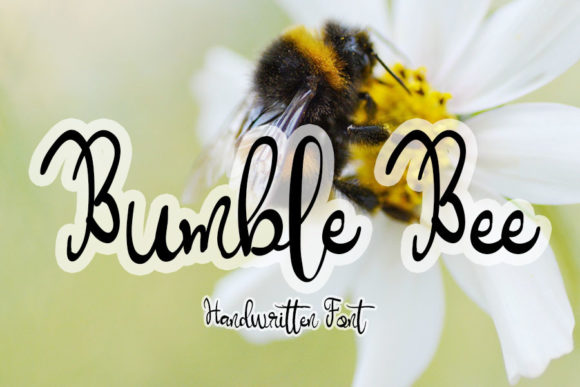
Bumble Bee Font: A Script Typeface for Digital Branding
When it comes to crafting a strong visual identity online, the right typeface can make all the difference. Bumble Bee, a script font from the Script Amp collection, brings a unique blend of charm and elegance that’s perfect for web designers and digital creators who want to add personality without sacrificing professionalism.
The Personality of Bumble Bee
Bumble Bee is a handwritten-style script font with a modern twist. Its flowing characters and soft curves give it an organic feel while maintaining enough structure to be legible in digital contexts. This balance makes it ideal for headers, brand messaging, and decorative accents where you want to evoke warmth but still keep things polished.
What sets Bumble Bee apart is its ability to feel both personal and premium. Unlike overly stylized scripts that become illegible at smaller sizes, this font maintains clarity even when used in secondary elements like buttons or call-to-action phrases. The subtle variations in stroke weight and spacing help it sit comfortably across different screen resolutions and design styles.
Using Bumble Bee in Web Design
In website headers and hero sections, Bumble Bee shines as a display font. It adds a touch of creativity that works especially well for brands targeting lifestyle, fashion, wellness, or creative industries. For example, on a boutique online store selling handmade goods, using Bumble Bee for the main header instantly conveys a sense of craftsmanship and authenticity.
For landing pages, particularly those focused on coaching or creative services, Bumble Bee helps create a welcoming and approachable tone. When paired with a clean sans serif body font like Lato or Open Sans, it allows for clear visual hierarchy while keeping the overall design cohesive. This pairing ensures your message stands out without overwhelming the reader.
Where to Apply Bumble Bee
- Hero Titles: Use Bumble Bee as a primary headline to draw attention and set the emotional tone of the page.
- Section Headings: Apply it to subheaders or section titles to break up content and guide the user through the layout.
- Buttons & CTAs: Its elegant curves work beautifully for short phrases like “Shop Now” or “Join Today,” especially when styled with proper padding and contrast.
- Logo Text: Bumble Bee is great for logo text in industries that value creativity and a human touch, such as wedding planners, art studios, or content creators.
- Decorative Accents: Use it sparingly for quotes, testimonials, or signature lines to highlight specific content areas without disrupting readability.
Practical Examples
On a creative portfolio site, Bumble Bee could serve as the artist's name in the navigation bar or the title of featured projects. For a coaching website, it might appear in the hero quote section—something like “Your journey starts here”—to reinforce a personal and supportive brand voice.
In an online shop banner, combining Bumble Bee with a minimalist sans serif creates a harmonious yet eye-catching composition. Imagine a banner reading “Handcrafted with Love” in Bumble Bee above a product showcase; it adds character while staying aligned with brand values.
If you're designing a course sales page, using Bumble Bee for the course title can make it feel more engaging and less corporate. Pair it with a structured base font for descriptions and pricing to maintain clarity and focus on conversions.
Readability and Visual Hierarchy
One of the biggest concerns when using script fonts is ensuring they don’t compromise readability. Bumble Bee addresses this by being designed with open apertures and generous spacing, making it suitable for short blocks of text. However, it’s best reserved for headlines and key messaging rather than large paragraphs of body copy.
On mobile screens, use Bumble Bee with caution. While it reads well at larger sizes, it should never be used for small body text. Instead, scale it appropriately and ensure there's sufficient contrast between the font color and background—especially if you’re placing it over images or dark themes.
To optimize scanning behavior, consider using Bumble Bee in conjunction with other fonts that offer better skimmability. In editorial layouts or blog headers, it can act as a stylistic anchor, drawing the reader into the content with a warm and inviting tone.
Font Pairing Tips
Successful font pairings often involve one decorative font and one functional one. Here are some combinations that work well with Bumble Bee:
- Sans Serif: Montserrat or Raleway for a clean, modern look that complements the softness of Bumble Bee.
- Serif: Playfair Display or Merriweather for a more refined and editorial aesthetic.
- Monospace: Fira Code or Source Code Pro in code snippets or data-driven content to provide a sharp contrast.
These pairings help maintain a balanced rhythm across the design, allowing Bumble Bee to stand out while supporting the rest of the typography with clarity and consistency.
Brand Identity and Professionalism
Typography plays a crucial role in shaping brand perception. Bumble Bee offers a distinctive yet professional look that aligns with brands seeking to communicate warmth, creativity, and a personal touch. Whether it's a small business building a digital brand kit or a SaaS startup wanting to differentiate itself with a softer tone, this font can be a powerful tool.
Its versatility also extends to social media graphics, email templates, and content marketing assets. A single font choice across these platforms reinforces brand recognition and builds trust with audiences who encounter the same typographic style repeatedly.
Design Applications Across Industries
Here are some real-world applications of Bumble Bee in various sectors:
- Wedding Websites: Perfect for invitation designs or thank you cards integrated into digital experiences.
- Fashion E-commerce: Adds flair to product names or promotional banners without feeling gimmicky.
- Content Marketing: Great for blog headers, pull quotes, or newsletter subject lines that need a human touch.
- App UI Screens: Ideal for feature highlights or motivational messages in app onboarding flows.
Each of these uses benefits from Bumble Bee’s ability to convey emotion and intention through typography. It’s not just about looking good—it’s about making a statement that resonates with users.
Technical Considerations for Web Use
Before implementing Bumble Bee on a live site, check what styles and weights come included. Many script fonts have limited options, but Bumble Bee likely offers multiple alternates and weights suitable for both bold statements and subtle details.
Webfont availability is essential for responsive performance. If you plan to embed it on websites or landing pages, confirm whether it supports WOFF2 or OTF formats for cross-browser compatibility and faster load times.
Also consider multilingual support if your audience spans international markets. While many script fonts focus primarily on Latin characters, Bumble Bee may offer extended language coverage depending on the version you choose.
Optimizing for Dark and Light Backgrounds
Bumble Bee performs admirably on both dark and light backgrounds. On dark themes, ensure the font has a lighter weight or is given a subtle stroke effect to prevent blending. On light backgrounds, a slightly darker shade enhances legibility without altering the font’s natural appearance.
When overlaying Bumble Bee text onto images, apply a drop shadow or outline to improve contrast and visibility. These adjustments help the font remain readable without compromising its aesthetic appeal.
Commercial Licensing and Legal Clarity
It’s important to note that Bumble Bee, like most premium fonts, requires a commercial license for use on websites, client projects, and brand assets. Always review the licensing agreement to understand permitted uses, including how many domains it can be applied to and whether it’s allowed in print materials or video exports.
For digital creators working with clients, recommend purchasing a multi-user license or a webfont package that includes access to all necessary file types. This ensures compliance and protects your reputation as a professional designer.
Creating a Consistent Online Presence
Consistency is key in brand-focused web experiences. By using Bumble Bee consistently across headers, logos, and branded content, you establish a recognizable typographic identity that users begin to associate with your brand’s values.
This is particularly effective in niches like lifestyle branding, where the tone needs to feel authentic and trustworthy. Even a single change in font can shift how a brand is perceived—choosing Bumble Bee ensures your typography reflects the right message at every touchpoint.
Final Thoughts on Typography Strategy
Bumble Bee isn't just another script font. It’s a thoughtful addition to any designer’s toolkit, offering the flexibility to enhance both visual appeal and brand storytelling. From wedding invitations embedded in digital experiences to elegant call-to-action buttons on a landing page, it adapts to a wide range of use cases while retaining its signature charm.
By understanding where and how to apply it—keeping readability top of mind and complementing it with appropriate supporting fonts—you can leverage Bumble Bee to elevate your next project. Whether you're building a new brand or refining an existing one, the right typeface can transform the way users engage with your content.